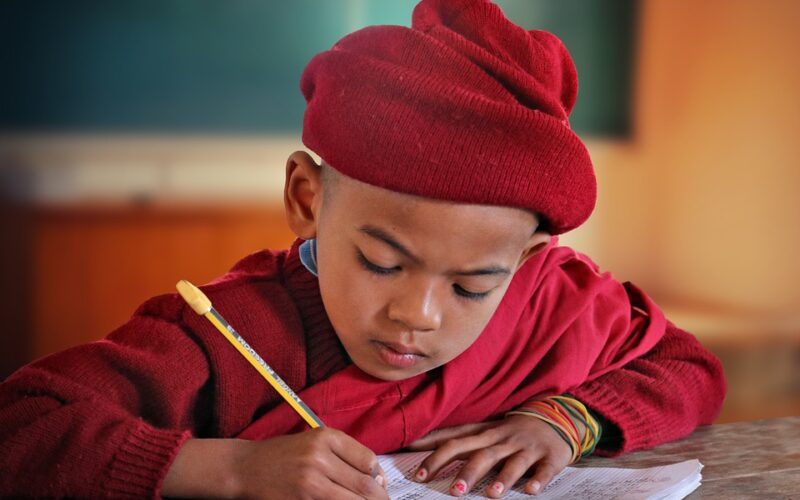
Literacy is one of the most powerful forces behind a nation's development. When people can read and write, they gain the ability to participate fully in society — economically, politically, and culturally. The link between literacy and national advancement is not coincidental; it is structural. Countries with high literacy rates consistently outperform those with lower rates across nearly every measure of human development.
The economic case for literacy
A literate workforce is a productive one. Workers who can read instructions, interpret data, and communicate clearly tend to be more efficient, more adaptable, and more valuable to employers. This drives business growth, increases tax revenue, and fuels broader economic development. Research has long shown that improvements in literacy rates correlate with rises in GDP, reduced poverty levels, and stronger labour markets. Nations that invest in education — particularly foundational literacy — tend to see long-term economic returns that far outweigh the initial cost.
Literacy and civic participation
Democracy depends on an informed citizenry. When people can read, they can access news, understand their rights, and engage meaningfully with political processes. Voter participation tends to be higher in more literate societies, and so does civic accountability. Conversely, low literacy can leave communities vulnerable to misinformation and political manipulation, weakening democratic institutions from the inside out. Governments that prioritise literacy are, in effect, strengthening the very mechanisms that hold them accountable.
Health outcomes and the power of reading
The benefits of literacy extend well beyond schools and workplaces. People with stronger reading skills are better equipped to understand medical information, follow treatment plans, and make informed decisions about their health. Studies have found that low health literacy is associated with poorer outcomes across a range of conditions, including chronic disease management and maternal health. In developing nations, improving literacy — particularly among women — has been directly linked to reductions in infant mortality and improvements in child nutrition.
Gender, literacy, and development
Female literacy deserves particular attention. Educating women and girls produces some of the most far-reaching benefits of any development intervention. Literate women are more likely to send their own children to school, participate in the workforce, and make autonomous decisions about family planning. The United Nations has consistently highlighted girls' education as a key driver of sustainable development. When women are excluded from literacy, entire communities are held back — the ripple effects span generations.
The global literacy gap
Despite significant progress over recent decades, the global literacy gap remains a pressing challenge. According to UNESCO, approximately 763 million adults worldwide lack basic literacy skills, with the highest concentrations in sub-Saharan Africa and South Asia. These gaps are not only educational — they reflect and reinforce existing inequalities related to income, gender, geography, and conflict. Closing the gap requires sustained investment, targeted policy, and international cooperation.
Building literate nations for a better future
Literacy is not simply a byproduct of development — it is a precondition for it. Nations that treat literacy as a core national priority tend to build more resilient economies, more stable governments, and healthier populations. The challenge for policymakers, educators, and international organisations is to ensure that access to quality literacy education is universal, not a privilege. Every person who gains the ability to read opens a door — not just for themselves, but for their community and their country.